

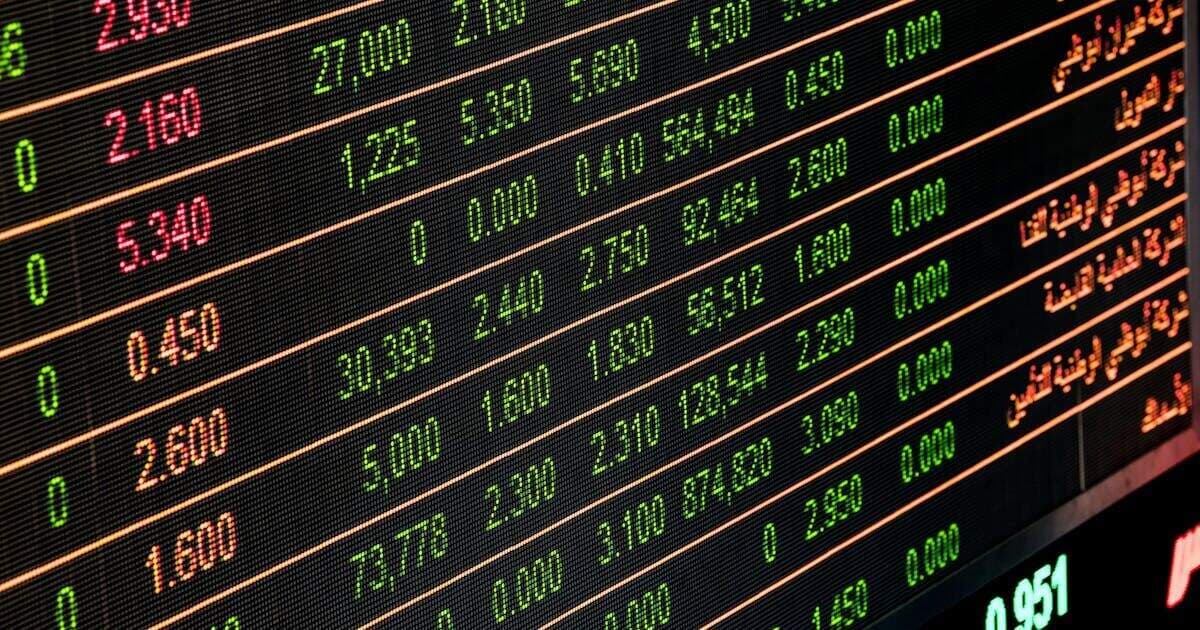
On Thursday, April 24, 2026, the S&P 500 closed at 7,165.08 points — a new all-time high. The Nasdaq reached 24,836.60 points in the same session. These were not symbolic milestones by a thin margin. They were consistent new highs, sustained by a technology sector that posted a gain of 11% in April alone — its best month in over two years.
For anyone who has followed markets for a while, these numbers deserve careful analysis. Records generate headlines, but what matters for investors is understanding the mechanics behind the move, the risks that remain, and what all of this says about appropriate portfolio positioning.
What Drove the April Rally
April 2026 was defined by a convergence of factors that rarely appear together with the same intensity: corporate earnings well above expectations, a partial reversal of the tariff stress that had pressured markets earlier in the year, and aggressive repositioning by institutional managers who had reduced risk exposure in the first months of the year.
The technology sector was the primary driver. The 11% gain in April for the S&P 500 Tech Sector did not come from a single name or from speculation about artificial intelligence. It came from concrete operational results reported throughout the month: sustained margins, revenue growth, and in some cases upward revisions to guidance for the remainder of 2026.
The market had been defensively positioned following the turbulence of February and March. When the numbers started coming in above estimates, the position adjustment was swift. Those who were underexposed had to buy. That rebalancing flow amplified the initial move.
Nvidia, Intel, and AMD: Three Different Stories in the Same Rally
Nvidia surpassed the $5 trillion market cap mark again in April. It is a number that any historical analysis treats as extraordinary — and it is. For context: in 2022, Nvidia was worth roughly $300 billion. In less than four years, the company multiplied its market value more than 16 times.
What sustains that valuation? Not speculation about the distant future of artificial intelligence. It is present, measurable demand: the data centers training the largest language models need H100 and Blackwell GPUs in volumes that continue to exceed production capacity. As long as demand for AI infrastructure grows, Nvidia holds a structural advantage, with gross margins close to 75%.
Intel and AMD tell different but equally relevant stories for understanding the rally. Intel rose 23% in April — the company's largest monthly gain in years. The catalyst was the first-quarter 2026 result, which showed signs of stabilization in the foundry business and clearer progress on the next-generation chip roadmap. Intel had been treated by the market as a company in irreversible decline. April's results put that consensus back up for debate.
AMD advanced 13% over the same period, driven by growth in data center GPU sales and accelerating adoption of the MI300X, its chip designed for AI workloads. AMD does not compete with Nvidia at the same scale, but it is capturing a growing share of the AI infrastructure market, particularly among clients seeking supplier diversification.
What the three moves have in common: they all reflect real operational results, not narrative. When Intel, AMD, and Nvidia rise together for different reasons, it is a sign that the rally has broader substance than a single theme.
The X-Energy IPO and the Signal From Nuclear Power
One data point that deserves separate mention: X-Energy raised $1 billion in its IPO in April 2026, making it the largest public offering in the history of the nuclear sector.
That number matters for several reasons. First, it signals that institutional investors are putting real capital into nuclear energy infrastructure as a long-term solution for the growing power demands of data centers. Second, it shifts risk perception for the sector: a $1 billion IPO does not happen in a hesitant market.
The data center market is growing at a pace that conventional electrical grids cannot easily keep up with. Next-generation nuclear energy, especially the small modular reactors that X-Energy develops, represents a direct answer to that bottleneck. The IPO was not just a financial event. It was a statement that the private sector believes the energy problem for AI will be solved this way.
For investors tracking the AI theme broadly: the April technology rally is not just about software and GPUs. It is about the entire infrastructure chain that underpins the sector's growth.
What S&P 500 and Nasdaq Records Actually Mean
When an index sets a record, two interpretive errors tend to appear simultaneously: the excessive optimism that treats the record as a sign that "it can only go higher," and the reflexive skepticism that reads any all-time high as an imminent bubble signal.
Neither reading is rigorous.
Records are normal in long-term markets. The S&P 500 has spent most of its history at or near all-time highs because the index reflects the long-term growth of the U.S. economy. A market that never sets new records is a stagnant market.
What distinguishes a healthy record from a fragile one is what lies beneath it. In April 2026, what lies beneath is: solid corporate margins, real revenue growth in the technology sector, capital repositioning following a period of risk aversion, and an earnings cycle that has not so far brought the negative surprises the market feared.
This does not mean risks are absent. It means the present fundamentals justify the current level better than they did at other moments when multiples were similar but results did not match.
The Risks That Remain on the Radar
It would be incomplete to present the April rally without discussing what could interrupt it. There are at least three risk vectors that deserve attention in the weeks ahead.
The U.S. rate environment. The Federal Reserve did not cut rates in 2026 and there is no clear signal of when it will. With the S&P 500 at record levels, the index's multiples — especially in the tech sector — depend in part on the expectation that the cost of capital will not rise further. Any additional hawkish signaling would pressure high-growth company valuations.
The trade war is not over. The tariff stress that pressured markets early in the year was partially reversed through targeted agreements and negotiated pauses. But the global trade environment remains more uncertain than it was in 2024. A re-escalation on any specific front — particularly involving semiconductor components or technology exports — would directly affect the companies that led the April rally.
Index concentration. The S&P 500 at 7,165 is an index where the ten largest holdings account for a disproportionately large fraction of performance. When Nvidia, Microsoft, Apple, and Google are rising simultaneously, the index rises sharply. The reverse is also true. This concentration means the index's risk is less diversified than the name "500 companies" suggests.
None of these risks invalidates the fundamentals that drove April. But they are variables that any investor with a position in U.S. equities needs to monitor actively.
What the American Rally Says About International Allocation
One of the questions I receive most often from investors is about the right proportion of U.S. asset exposure. The April rally makes that conversation more urgent, but also more complex.
The S&P 500 gained roughly 11% for the month with the tech sector as the engine. Those allocated through BDRs, U.S. index ETFs on B3 (such as IVVB11), or directly through an international account captured that move. Those 100% allocated to Brazilian fixed income captured none of it.
This is not an argument to move an entire portfolio into U.S. equities. It is an argument for recognizing that geographic diversification is not just an academic concept — it has a measurable impact on real performance over time.
Currency risk is real: when the dollar falls against the real, returns in reais from U.S. assets are partially eroded. But the risk of having zero exposure to one of the largest technological growth cycles in recent history is also real, and it is rarely discussed with the same seriousness.
An honest analysis acknowledges both sides. The right positioning depends on time horizon, volatility tolerance, and each investor's specific objectives.
April 2026: What the Data Confirms
Before any narrative, the numbers speak for themselves:
- S&P 500 at 7,165.08 points on April 24 — all-time high confirmed by CNBC
- Nasdaq at 24,836.60 points — also at an all-time high
- S&P 500 Technology Sector up 11% for the month
- Nvidia with market cap above $5 trillion
- Intel up 23% for the month — largest monthly gain in years
- AMD up 13% for the month
- X-Energy IPO raising $1 billion — an all-time record for the nuclear sector
These data points are not narrative construction. They are verifiable facts that the market recorded. The question investors should ask is not "is this real?" — it is "what does it tell me about the months ahead, and how should I act?"
The honest answer is: the April rally was sustained by real fundamentals, but it is not a guarantee of continuation. The risks exist and are monitorable. The right positioning is one that allows you to capture opportunities without creating vulnerabilities that force emotional decisions when volatility inevitably returns.
Markets that reach all-time highs tend to keep setting records over the long run. But the path is rarely a straight line.
This content is educational and informational in nature. It does not constitute investment advice. Past performance is not a guarantee of future results. Investments in equities involve risks, including loss of invested capital. Consult a qualified investment advisor before making financial decisions.
Royal Binary is an investment and trading platform managed by Sidnei Oliveira. Discover the available plans at royalbinary.io.