

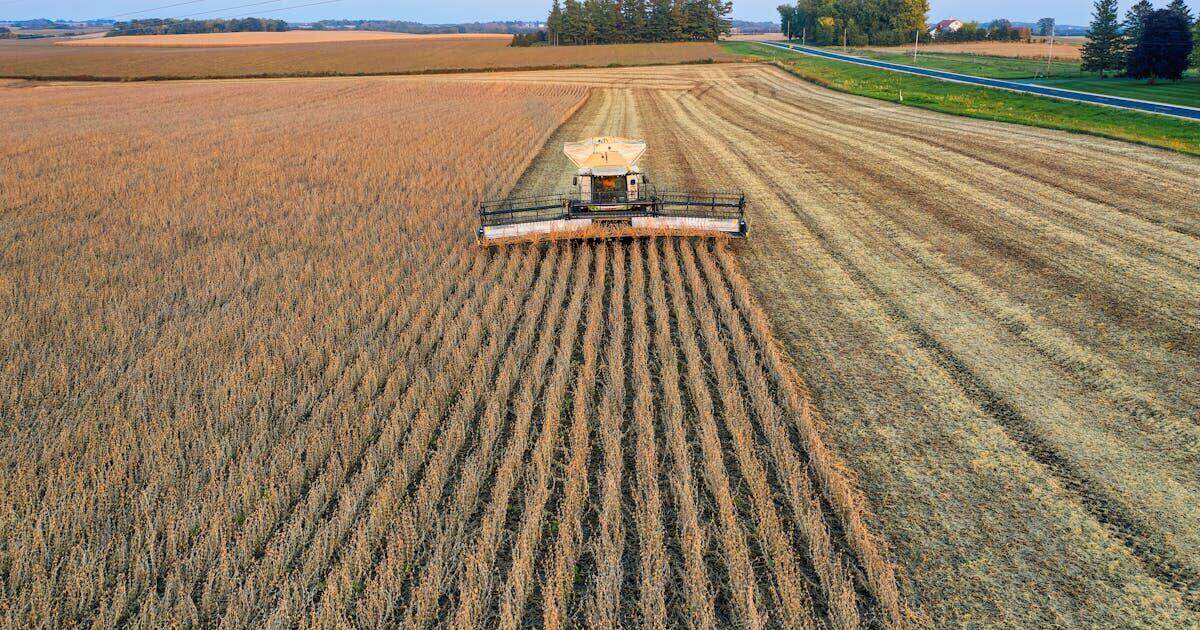
अप्रैल 2026 में, Bloomberg ने एक ऐसी headline के साथ एक reportage publish किया जिसने ध्यान खींचा: "Bankers Descend on Untapped $270 Billion Market Far From Brazil's Wall Street"। Free translation सब कुछ कहता है: fund managers एक US$ 270 अरब के unexplored market में descend कर रहे हैं Faria Lima से दूर, ब्राज़ीलियन farmers की wealth का पीछा करते हुए।
यह journalistic exaggeration नहीं है। Agronegócio (कृषि व्यवसाय) ब्राज़ील के GDP का approximately 25% represent करता है और देश soybean, coffee, sugar, orange juice, chicken और beef का world का largest exporter है। परंतु इस production chain तक financial access हमेशा geographically concentrated और poorly democratized था। यह बदल रहा है, और individual investor के लिए available instruments कभी इतने broad नहीं रहे।
यह moment क्यों है
तीन simultaneous movements converge होकर global attention के केंद्र में ब्राज़ीलियन agronegócio को रख रहे हैं।
China-Brazil trade ने record बनाया। 2025 में, दोनों देशों के बीच bilateral flow US$ 171 अरब तक पहुँचा, largely soybean की Chinese purchases के reallocation से driven। American tariffs US soybean को China के लिए costlier बनाने के साथ, Asian buyers ने Brazil की ओर migration accelerate किया। Direct result था ब्राज़ीलियन commodities की demand में increase और real पर buying pressure, जो R$ 4.99 per dollar के आसपास operate करने लगा, agricultural export foreign exchange flow को reflect करते हुए।
Selic की गिरावट fixed income equation को बदलती है। Focus research के अनुसार, basic interest rate की descending trajectory के साथ, CRAs (Certificados de Recebíveis do Agronegócio) और Fiagro units जैसे instruments CDI के relative अधिक competitive हो जाते हैं। जब Selic 15% पर था, conventional fixed income को beat करना मुश्किल था। Rate 2026 के अंत तक 12.25% converge करने के साथ, IR exemption के साथ private credit securities proportionally अधिक attractive बनते हैं।
International capital enter हो रहा है। Global asset managers Mato Grosso के grain producers से लेकर Pará के meat processors तक agricultural chain को finance करने के लिए dedicated funds structure कर रहे हैं। यह institutional flow secondary market को develop और retail investor के लिए available instruments की liquidity को broaden करता है।
जानकारी
Brazil soybean, coffee, sugar, orange juice, chicken और beef का world's largest exporter है। Agronegócio national GDP का approximately 25% account करता है और 2025 में China के साथ bilateral trade में US$ 171 अरब generate किया।
Available Instruments: प्रत्येक क्या है
Opportunity या risk analyze करने से पहले, यह समझना fundamental है कि market में agronegócio में exposure access करने के लिए investor के लिए क्या exists है।
CRAs: Certificados de Recebíveis do Agronegócio
CRA एक fixed income security है जो securitizadoras द्वारा issued होता है, agronegócio operations से originated receivables पर backed — जैसे rural financing, inputs की purchase and sale, land leasing और exports।
Individual investor के लिए सबसे relevant point income पर Imposto de Renda से exemption है। यह exemption, Law 11.033/2004 में provided, CRA का liquid rendimento systematically similar instruments के बिना exemption के superior बनाती है, जैसे taxable CDBs।
CRAs prefixed, post-fixed (CDI या IPCA से linked) या hybrid हो सकते हैं। Term दो से दस साल vary करता है, जो government securities की तुलना में कम liquidity imply करता है। Main risk issuer या underlying receivables portfolio का credit risk है: rural producers की default CRA payment को affect कर सकती है।
Fiagros: Fundos de Investimento nas Cadeias Agroindustriais
Fiagro 2021 में Law 14.130 द्वारा create किया गया था और अक्सर "agronegócio का FII" के रूप में described किया जाता है, एक useful but incomplete analogy। जैसे Fundos de Investimento Imobiliário rent income distribute करते हैं, Fiagros अपने portfolios से income distribute करते हैं, जिसमें CRAs, LCAs, rural banks के CDBs, sector companies के stocks और यहाँ तक कि rural properties में participations शामिल हो सकते हैं।
तीन subtypes हैं: Fiagro-CRA (agricultural credit पर focused), Fiagro-FIA (agro stocks पर focused) और Fiagro-FIP (unlisted companies में participations)। Retail investor के लिए, Fiagro-CRAs सबसे accessible हैं, जिनमें B3 पर traded units और individual investors के लिए IR-exempt monthly distributions हैं।
Selic की गिरावट Fiagros को दो ways में benefit करती है: portfolio में credit securities के market value को increase करती है और distributed rendimentos को relative terms में अधिक competitive बनाती है। Market research indicate करती है कि कई Fiagros 2026 के पहले महीनों में 12% से ऊपर annualized dividend yield पर operate कर रहे हैं, हालाँकि ये numbers portfolio composition और purchase timing के अनुसार vary करते हैं।
B3 पर Agronegócio Companies के Stocks
Access का तीसरा route direct variable income है: sector में exposure वाली listed companies के stocks। कुछ major हैं:
Suzano (SUZB3): world's largest eucalyptus cellulose producer। 2026 में BTG Pactual के एक research ने Lula government की reelection scenario में Suzano को agronegócio का main stock बताया, stable Asian demand, exports के लिए favorable exchange rate और competitive cost position के combination से।
SLC Agrícola (SLCE3): Brazil के सबसे बड़े grain producers में से एक, soybean, cotton और corn appreciation के direct exposure के साथ।
BrasilAgro (AGRO3): agricultural land acquisition, development और leasing पर focused company। Land value appreciation के लिए proxy के रूप में serve करती है।
JBS (JBSS3) और Marfrig (MRFG3): animal protein export में strong exposure वाले meat processors, especially China और Middle East के लिए।
Agricultural companies के stocks की अपनी dynamics है: results commodity cycles, exchange rate, climate और global commercial policy पर depend करते हैं। ये CRAs या Fiagros की तुलना में higher volatility और risk वाले assets हैं, परंतु higher appreciation potential के साथ।
ध्यान दें
कोई भी instrument risk-free नहीं है। CRAs credit risk और low liquidity carry करते हैं। Fiagros net asset value से discount पर trade कर सकते हैं। Agronegócio stocks commodity cycles, exchange rate और climatic conditions के sensitive हैं। Past performance future results की guarantee नहीं देता।
B3 पर Agricultural Derivatives का Market
Cited instruments के अलावा, B3 के पास growing agricultural derivatives market है, soybean, coffee, corn, boi gordo (live cattle) और ethanol के futures contracts के साथ। ये instruments producers और exporters द्वारा protection (hedge) और traders द्वारा directional speculation दोनों की अनुमति देते हैं।
B3 पर agricultural commodity futures contracts में traded volume consistently बढ़ रहा है, global supply chains में Brazil के greater integration के साथ। Proper hedge structure के बिना retail investor के लिए, agricultural futures के लिए technical knowledge और margin management के लिए adequate capital ज़रूरी है, experienced operators के लिए अधिक suitable।
ध्यान देने योग्य Risks
Agronegócio के आसपास enthusiasm fundamentals द्वारा justified है, परंतु structural और conjunctural risks eliminate नहीं करता।
Climate risk: El Niño या La Niña events unpredictably harvests को affect करते हैं। Mato Grosso में severe drought या Paraná में frost एक single crop में soybean और coffee production को reduce कर सकता है, directly sector exposure वाले companies और funds को impacting।
Commercial policy risk: USA-China trade war जो आज Brazil को benefit करती है, unexpected रूप से resolve या escalate हो सकती है। World's two largest economies के बीच commercial rapprochement abruptly Brazilian soybean की Chinese demand को reduce कर सकती है।
CRAs में liquidity risk: CRAs का secondary market अभी भी nascent है। Stress के moments में, maturity से पहले CRA बेचना relevant discount imply कर सकता है।
Political और regulatory risk: Environmental policy में changes, foreigners को land leasing के rules में, या export policy में sector को systematically affect कर सकती हैं।
Institutional Capital Interior की ओर क्यों जा रहा है
Bloomberg की reportage managers को Faria Lima के offices छोड़कर Mato Grosso, Goiás और Bahia के farms visit करते हुए describe करती है। यह movement corporate tourism नहीं है: यह एक investment thesis का materialization है जिसे ब्राज़ीलियन financial market को adequately structure करने में decades लगे।
ब्राज़ीलियन agronegócio relatively low costs, growing infrastructure (railways, bulk terminals ports) और cutting-edge technology तक access के साथ industrial scale पर operate करता है, परंतु historically BNDES और public banks के माध्यम से subsidized rural credit पर depended। CRAs और Fiagros जैसे capital market instruments का development private capital — including foreign capital — को directly इस chain को finance करने की अनुमति दे रहा है।
B3 ने 2022 से 2026 के बीच listed Fiagros की संख्या में significant growth register किया, एक embryonic market से एक ऐसी asset class में जाते हुए जिसका assets under management में billions हैं। यह institutionalization international managers को attract करती है: mature markets sophisticated instruments, liquidity और transparency रखते हैं।
Tip
जो investor sector को समझना शुरू करना चाहते हैं, उनके लिए Suzano, SLC Agrícola और BrasilAgro जैसी companies के results reports follow करना ब्राज़ीलियन agronegócio की revenue, cost और currency exposure dynamics को practically understand करने का एक तरीका है।
Allocation के बारे में कैसे सोचें
Agronegócio में कितना allocate करें इसका कोई single answer नहीं है। यह प्रत्येक investor के timeline, risk tolerance और objectives पर depend करता है। परंतु कुछ general considerations useful हैं।
जो IR exemption के साथ income चाहते हैं, उनके लिए high-quality (investment grade) emitters के CRAs या consolidated Fiagros एक traditional fixed income portfolio को complement कर सकते हैं, especially descending Selic scenario में।
जो potential appreciation के बदले volatility accept करते हैं, उनके लिए exports के exposed agricultural companies के stocks weakened real और strong global protein और grain demand से benefit होती हैं।
जो individual assets select किए बिना sector में broad exposure चाहते हैं, कुछ Fiagro-FIAs एक single vehicle में agronegócio stocks की diverse basket offer करते हैं।
सभी cases में, diversification और instrument का knowledge fundamental है। ब्राज़ीलियन agronegócio के solid fundamentals हैं, परंतु जो instruments इसे represent करते हैं उनकी characteristics एक-दूसरे से बहुत different हैं।
Royal Binary इस Scenario में कैसे Operate करती है
Royal Binary में, हमारी active management approach major macroeconomic flows को follow करती है — commodity appreciation और global trade realignment सहित। वर्तमान जैसे scenarios, जहाँ export-favorable exchange rate, elevated Chinese demand और Selic की गिरावट private credit को अधिक competitive बनाती है — agronegócio से linked assets में opportunities identify करने के लिए conditions create करते हैं।
हमारी team 340 से अधिक operations per month execute करती है Sidnei Oliveira के 6 से अधिक वर्षों के professional experience में developed methodology के साथ। Sectoral analysis opportunity identification process का integral part है।
Past results future returns की guarantee नहीं देते। Rendimentos variable income हैं।
Tip
क्या आप समझना चाहते हैं कि Royal Binary का active management model agronegócio जैसे scenarios में opportunities कैसे identify करता है? हमारे plans और operations history को app.royalbinary.io पर explore करें।