

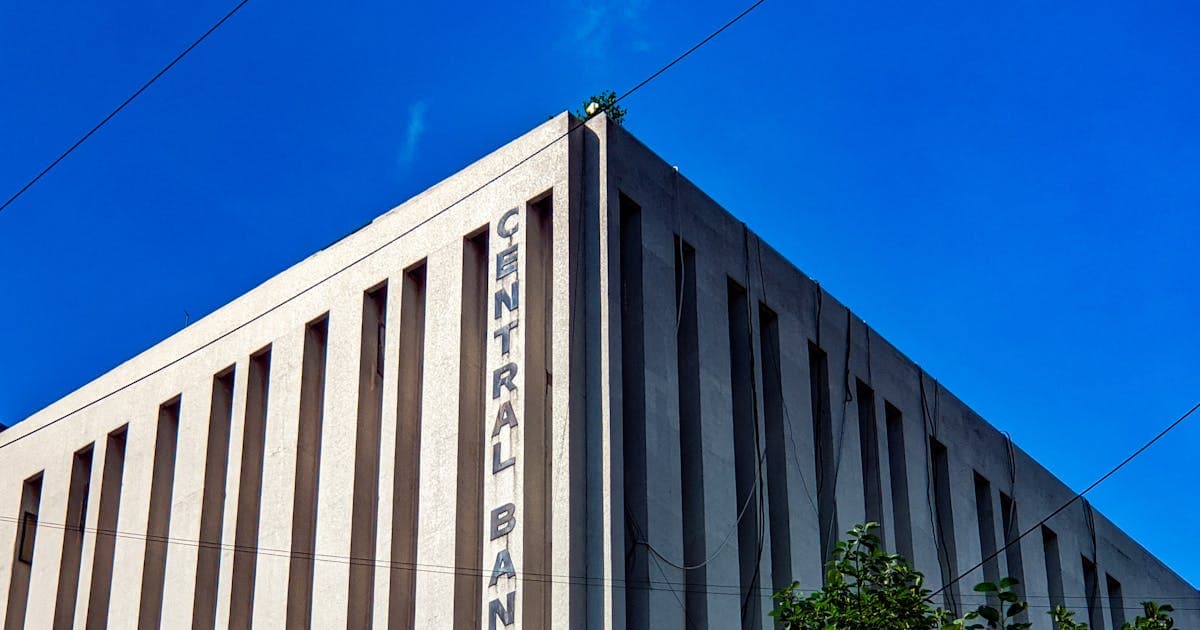
March 2026 में, दो सबसे observed central banks ने different paths लिए। Copom — Comitê de Política Monetária do Banco Central do Brasil (ब्राज़ील की मौद्रिक नीति समिति) — ने Selic (ब्राज़ील की बेंचमार्क ब्याज दर) को 25 basis-points cut करके 15% से 14.75% पर लाया। उसी समय, American Federal Reserve ने Fed Funds को 4.25% और 4.50% के बीच maintain किया, बिना clear signaling के कि कब cut करेगा।
यह divergence एक technical detail नहीं है। इसके capital flow, exchange rate, international renda fixa और यहाँ तक कि ब्राज़ीलियन investors को आने वाले महीनों के लिए portfolio allocation कैसे सोचनी चाहिए इस पर direct consequences हैं।
Fed को High Interest Maintain रखने पर क्या ले गया?
Federal Reserve 2026 में एक complicated equation face कर रहा है। PCE (Personal Consumption Expenditures) द्वारा measured American inflation 3% से ऊपर continue करती है — 2% की target से ऊपर। American labor market, 2023 और 2024 की तुलना में less heated होते हुए, cuts justify करने के लिए पर्याप्त रूप से resilient रहता है।
एक additional factor है: import tariffs। Trump administration ने February 2026 में Trade Act की Section 122 के माध्यम से 10% की global import tariffs implement कीं, 15% तक raise करने की threat के साथ। Tariffs short-term में inflationary effect रखती हैं — जब imports more expensive होते हैं, domestic prices rise होती हैं। Fed को इस risk को अपने model में incorporate करना होगा।
2026 के लिए IMF का base scenario Fed की possibility को 50 basis-points तक interest raise करने की contemplate करता है अगर inflation tariffs पर expected से more strongly react करे। यह most likely scenario नहीं है, लेकिन risk table पर है।
Copom ने Cut क्यों किया?
Brazil ने एक different situation से शुरू किया। Selic (ब्राज़ील की बेंचमार्क ब्याज दर) September 2024 में शुरू हुए rate hike cycle के बाद 15% तक पहुँची, जब inflation और inflation expectations detach होने लगीं। March 2026 में, Copom (ब्राज़ील की मौद्रिक नीति समिति) ने evaluate किया कि conditions loosening begin करने के लिए sufficient रूप से बदल गई थीं।
IPCA (ब्राज़ील का उपभोक्ता मूल्य सूचकांक) द्वारा measured Brazilian inflation February 2026 में approximately 5.5% — year की 4.5% target ceiling से ऊपर, लेकिन medium-term expectations में falling trajectory के साथ। Copom (ब्राज़ील की मौद्रिक नीति समिति) ने indicate किया कि cut cycle gradual और data-dependent होगी, inflation targeting regime को compromise किए बिना।
25 basis-point cut को market द्वारा cautious माना गया। अधिकांश analysts ने same size movement expect किया, लेकिन inflation projections में divergences ने next cuts की pace के बारे में debate open रखी।
Divergence और Carry Trade
Selic (ब्राज़ील की बेंचमार्क ब्याज दर) 14.75% और Fed Funds 4.25% और 4.50% के बीच के साथ, Brazil और USA के बीच interest differential approximately 10 percentage points है। यह recent years में real के साथ carry trade के लिए सबसे favorable conditions में से एक create करता है।
Carry trade इस प्रकार काम करता है: investors low interest वाली currencies (dollar, yen, euro) में borrow लेते हैं और high interest वाली currencies (Brazilian real) में denominated assets में invest करते हैं। Interest difference profit है, बशर्ते exchange rate adversely move न हो।
| Currency | Reference rate | Differential vs. BRL |
|---|---|---|
| BRL (Selic) | 14.75% | — |
| USD (Fed Funds) | 4.25%–4.50% | ~10.3 pp |
| EUR (ECB) | 2.50% | ~12.3 pp |
| JPY (BoJ) | 0.50% | ~14.3 pp |
2026 में, real के साथ carry trade ने दो additional factors से traction gain किया: dollar global weakening pressure में है (American tariffs का consequence जो USA से foreign capital deter करती हैं) और Banco Central do Brasil ने signal किया कि वह real की excessive appreciation नहीं देखना चाहता, जो exporters को hurt करेगी।
Exchange Rate पर Impact
Real 2026 की first quarter में dollar के सामने appreciated, कुछ moments में R$5.30 per dollar से नीचे operate करते हुए — एक level जो कुछ time के लिए नहीं देखा गया था। इस appreciation के multiple causes हैं:
- Carry trade के लिए attractive interest differential
- Robust ब्राज़ीलियन trade surplus (commodity exports)
- American tariffs के कारण globally weaker dollar
- Brazil की fiscal expectations में improvement
Banco Central ने excessive appreciation के खिलाफ verbally intervene किया, याद दिलाते हुए कि valued exchange exports की competitiveness reduce करता है। Carry trade attractiveness और export competitiveness के बीच यह delicate balance 2026 में ब्राज़ीलियन economic policy के central tensions में से एक है।
Fixed Income के लिए Divergence का क्या मतलब है
Fixed income investors के लिए, Fed-Copom divergence simultaneously opportunities और risks create करती है।
Brazil में opportunities: Selic अभी भी 14.75% पर और cut cycle gradual होने के साथ, longer maturities वाले Tesouro securities interesting premiums embed करते हैं। Tesouro IPCA+ 5 साल या अधिक के maturity के साथ positive real returns के साथ inflation protection offer करता है।
Dollar exposure वालों के लिए risk: अगर Fed actually rate raise करे — risk scenario, not base — यह globally dollar strengthen कर सकता है, real appreciation के हिस्से को reverse करते हुए। जिनके पास IVVB11 (reais में S&P 500) में position है वे double effect देखेंगे: American market की eventual fall AND adverse exchange।
Diversification opportunity: Divergence both ब्राज़ीलियन renda fixa में exposure maintain करना justify करती है (high Selic exist होने तक capture करते हुए) और international assets में (Brazil risk के खिलाफ diversification)।
Capital Flows कैसे Respond करते हैं
JP Morgan Asset Management ने 2026 की शुरुआत में published analysis में central banks के बीच monetary policy divergence को "2026 में short-term markets की defining characteristic" के रूप में identified किया। यह divergence more bilateral volatility और currency markets में greater volatility create करती है।
Brazil के लिए specifically, 2026 की first quarter में renda fixa में foreign capital inflow बढ़ा। International managers emerging markets में yield search करते हैं जबकि Fed more restrictive posture maintain करता है। Brazil interest differential से benefit करता है, लेकिन इस flow sustain करने के लिए fiscal credibility maintain करनी होगी।
ब्राज़ीलियन Investor के लिए तीन Points
1. High Selic अभी भी value रखती है। Cut cycle की शुरुआत के साथ भी, 14.75% international standards के अनुसार exceptionally high rate है। Tesouro Selic और DI funds short-term में अभी भी positive real return — inflation से ऊपर — offer करते हैं।
2. Exchange rate एक active, passive नहीं, variable है। Fed-Copom divergence exchange rate के drivers में से एक है। Foreign currency investments वालों को इस differential monitor करना होगा और समझना होगा कि Fed surprises के साथ या hikes के साथ यह quickly change हो सकता है।
3. Carry trade में reversal risk है। Opportunity real है, लेकिन carry trade arbitrage नहीं है। अगर global scenario worsen होता है, तो वही investors जो interest differential take advantage करने के लिए real buy करते हैं अन्य markets में positions cover करने के लिए real sell करते हैं। यह exchange में sudden volatility create करता है।
Divergence Monitor करना
Copom (ब्राज़ील की मौद्रिक नीति समिति) की अगली meeting May 2026 के लिए scheduled है। Market एक और 25 basis-point cut expect करता है। FOMC (Federal Reserve) की अगली meeting भी May में होगी। दोनों events में से किसी एक में कोई भी surprise exchange और ब्राज़ीलियन future interest rates को significantly move कर सकती है।
Sidnei Oliveira द्वारा founded Royal Binary, इन जैसे events को daily market analysis के हिस्से के रूप में follow करती है। Central bank decisions experienced operators के navigate करने वाले volatility create करती हैं। 340 से अधिक monthly operations और risk management structure के साथ, platform उन लोगों के लिए exists करती है जो इस प्रकार के environment में participate करना चाहते हैं।
Platform जानें और समझें कैसे काम करता है।