

जब नवंबर 2020 में Pix (ब्राज़ील का तत्काल भुगतान सिस्टम) launch हुआ, skeptics ने point किया कि Brazil के पास पहले से TED और DOC थे, और adoption slow होगी। पाँच वर्षों से भी कम समय में, Pix प्रति माह 6 अरब से अधिक transactions process करता है, मासिक लगभग R$ 3 trillion move करता है और 17 करोड़ से अधिक registered users हैं — Brazil की adult population का approximately 75%।
ये numbers projections नहीं हैं। Banco Central do Brasil द्वारा published data से आते हैं। और context करते हैं कि क्या है, किसी भी measure से, दुनिया में कहीं भी एक payment infrastructure system की सबसे fast adoptions में से एक।
Pix पहले जो था उसकी Compare में कैसे है
Pix से पहले, Brazil में electronic transfers TED (Transferência Eletrônica Disponível) के through काम करती थीं, जो business days के दौरान hours में settle होती थीं, अधिकांश banks पर R$ 8 से R$ 25 per transaction cost करती थीं और रात और weekends पर unavailable थीं। DOC transfers अगले business day तक ले लेते थे। Credit cards के merchants के लिए 30-day settlement cycles थे।
Pix 24 hours a day, 7 days a week, 365 days a year काम करता है। Transfers seconds में settle होती हैं। Individuals के लिए, यह free है। Small businesses के लिए, fees Banco Central द्वारा cards के interchange rates से significantly below values पर limited हैं।
Result: Pix ने credit और debit card transactions के sum को 80% से अधिक surpass किया। Brazil एक ऐसे country से गया जहाँ lower income populations में informal cash payments dominate करते थे एक ऐसे में जहाँ instant digital payments standard medium of exchange हैं।
| Payment Method | Monthly Transactions (2026) | Settlement | Sender Cost |
|---|---|---|---|
| Pix | 6B+ | Seconds | Free (individuals) |
| Debit | ~1.8B | Next business day (merchant) | Varies |
| Credit | ~1.6B | 30 days (merchant) | None direct |
| TED | ~400M | Same day (business hours) | R$ 8–25 |
Pix कौन उपयोग करता है और किसलिए
17 करोड़ registered users सभी income brackets cover करते हैं, लेकिन adoption patterns differ करते हैं। Higher income Brazilians के लिए, Pix ने TED को replace किया और people के बीच transfers का standard बन गया। Lower income Brazilians के लिए, जिनमें से many cash पर depend करते थे, Pix पहला practical digital payment tool था — इसे केवल एक smartphone और एक bank account चाहिए था, जिसमें free digital accounts (conta digital) भी शामिल थीं जो Nubank और PicPay जैसी fintechs ने scale पर offer कीं।
सभी sizes के merchants ने Pix QR Code को card machines की cheaper alternative के रूप में adopt किया। एक small merchant Pix के through received payment पर कोई interchange fee नहीं pay करता; card sale पर, interchange 1.5%–3.5% तक हो सकता है। यह cost difference relevant economies में accumulate हुआ small businesses के लिए और cash के Pix की ओर migration में contribute किया, cards की बजाय।
आगे क्या आता है: Pix por Aproximação और Pix Automático
Banco Central ने P2P transfers और QR Code के original scope से beyond Pix की functionality expand की है।
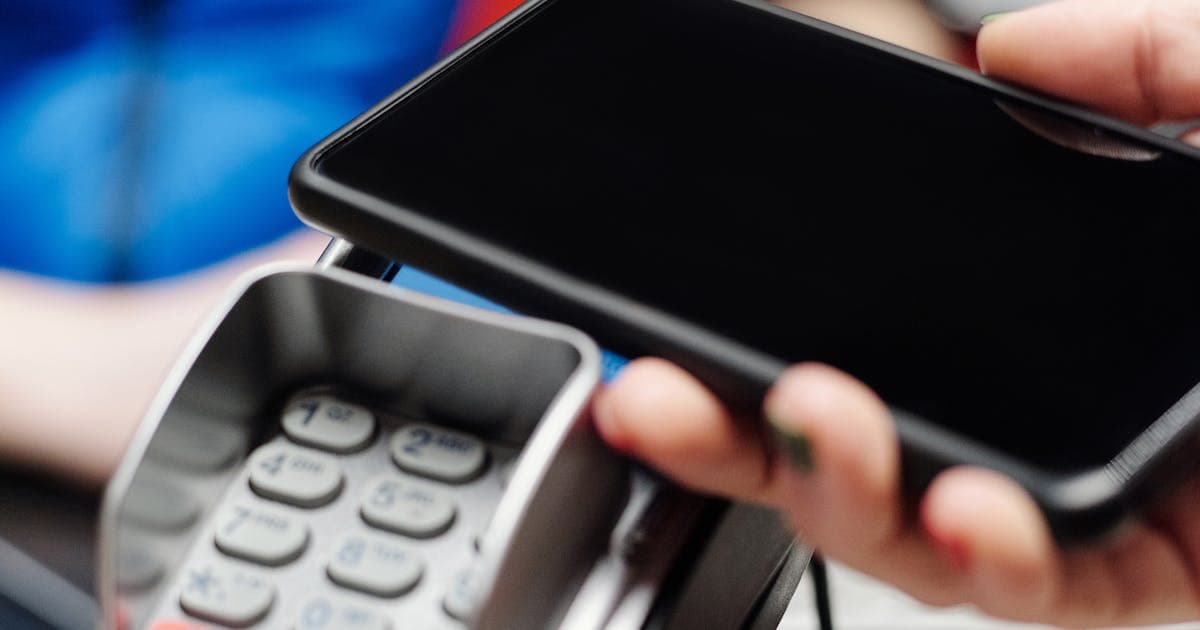
Pix por Aproximação (NFC): यह feature, 2026 में gradually implement होती, NFC (near field communication) के through Pix payments allow करती है — वही technology जो cards और Apple/Google Pay के साथ contactless payments के लिए use होती है। Customer payment terminal के पास जाता है, phone payment initiation request receive करता है, user confirm करता है और transaction complete होती है। यह Pix को physical point-of-sale scenarios तक expand करता है जहाँ QR Code less practical है।
Pix Automático: एक recurring payment mechanism जो customers को Pix के through automatic debits authorize करने की allow करता है — subscriptions, utility bills, loan payments के लिए। Directly boleto bancário से compete करता है, जो historically Brazil में recurring billing को dominate करता था। Boleto banks के लिए significant processing revenue generate करता है; Pix Automático उस revenue को disintermediate करने की threat है।
Pix Internacional: Banco Central ने Pix के cross-border interoperability के plans signal किए। Compatible instant payment systems वाले countries के साथ agreements — especially Latin America और Europe में — negotiation के various stages में हैं।
Financial Inclusion पर Economic Impact
Brazil में unbanked population Pix के launch के बाद के years में significantly गिरी। Banco Central के surveys show करते हैं कि formal financial account के बिना Brazilians का share expressively diminished हुआ जैसे-जैसे digital banks, Pix interoperability द्वारा pushed, free accounts with instant payment functionality offer करते हैं।
यह exclusively Pix के कारण नहीं है — broader digital banking expansion और regulatory changes ने भी relevant role play किया। लेकिन Pix ने वह utility create किया जिसने उन लोगों के लिए digital account open करना advantageous बनाया जिनके पास previously इसका कोई reason नहीं था: एक Pix key के साथ, आप किसी से भी, कहीं से भी, instantly payments receive कर सकते हैं।
Credit access के लिए implication significant है। Pix द्वारा generated payment data अब Open Finance ecosystem को feed करता है, जहाँ (consent के साथ) credit decisions को inform कर सकता है। तीन साल के daily Pix receipts वाले एक small merchant के पास demonstrable income history है जो loan evaluation में use हो सकती है — एक financial identity जो 2020 से पहले exist नहीं करती थी।
Traditional Financial System को Pix ने क्या Cost किया
Traditional financial system के लिए Pix neutral नहीं था। Banks ने TED और DOC fees से significant revenue earn किया था; वह revenue largely disappeared। Card companies एक competitor face करती हैं जो merchants से कम charge करती है और faster settle करती है। Boleto operators Pix Automático की threat face करते हैं।
बड़े banks ने Pix को infrastructure के रूप में accepting और other dimensions में competing करते हुए adapt किया: credit products, investments, insurance और customer service। Fintechs ने Pix को central functionality के रूप में integrate किया और इसे rapidly customers acquire करने के लिए use किया।
Financial sector की economy पर net effect payment processing margins में एक reduction है, partially expanded addressable market से compensated जो financial inclusion creates। More Brazilians formal digital economy में means more potential credit borrowers, savers और investors।
Risks और Limitations
Pix frauds adoption के साथ grew। Banco Central ने nighttime transactions के लिए limits implement किए (तथाकथित "Pix noturno") और banks को anti-fraud systems build करने की require किया, लेकिन Pix involving social engineering scams एक significant problem remain करते हैं। Credit card disputes के unlike, Pix payments easily reversed नहीं होते — एक बार sent, recovery recipient institution के cooperation की require करती है।
Banco Central के infrastructure पर system की dependence एक concentration risk भी create करती है। Bacen के clearing system में एक technical failure सभी participating institutions को simultaneously affect करेगी। Redundancy mechanisms exist करते हैं, लेकिन dependence की systemic nature recognize किए जाने deserve करती है।
छह अरब और जो यह Represent करता है
Monthly 6 billion transactions का number एक abstract achievement नहीं है। 6 billion moments represent करता है जिसमें money faster, cheaper और more accessibly moved हुआ पाँच साल पहले जितना होता। 21.5 करोड़ लोगों की economy पर इसका accumulated effect substantial और continuous है।
वह infrastructure जो Pix ने build की — instant settlement rails, universal key addressing, open APIs for payment initiation — अब वह foundation है जिस पर Open Finance, Drex और Brazilian financial products की next generation build हो रही है।
Royal Binary में, हम Brazilian financial system में infrastructure developments को market dynamics के साथ monitor करते हैं। यदि आप समझना चाहते हैं कि ये structural transformations investment opportunities को कैसे affect करती हैं, तो हमारा platform जानें।